


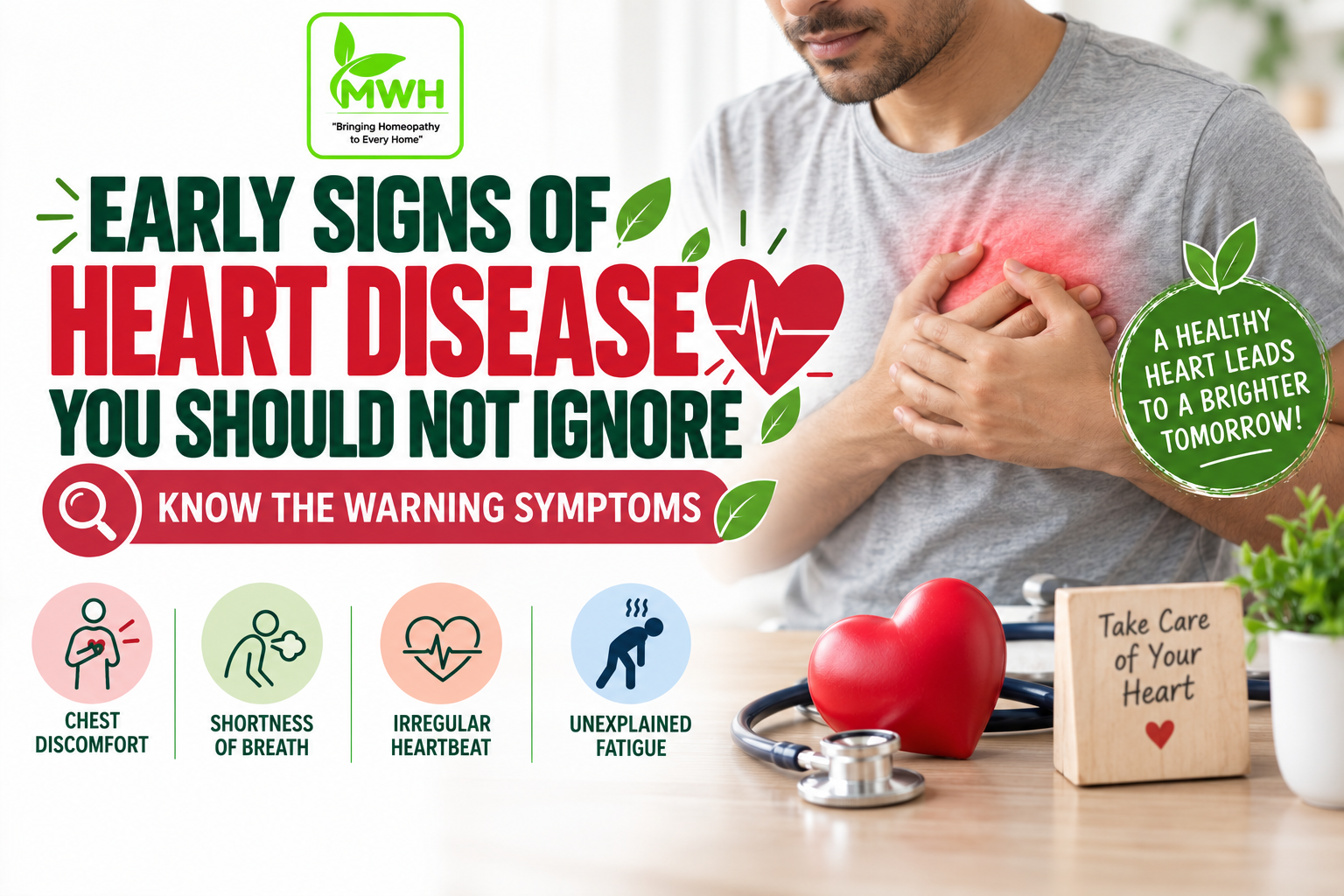
Early Signs of Heart Disease You Should Not Ignore
Heart disease remains a leading cause of morbidity and mortality worldwide, yet its early signs are often subtle, easily dismissed, or mistaken for less serious conditions. Recognizing these initial indicators is paramount for timely intervention, effective management, and ultimately, improving patient outcomes. Let’s discuss early signs of heart disease, providing a comprehensive guide to understanding these crucial warning signals.
Before exploring specific symptoms, it is important to understand that “heart disease” is an umbrella term encompassing various conditions affecting the heart’s structure and function. These include coronary artery disease (CAD), heart failure, arrhythmias, valvular heart disease, and congenital heart defects. While some symptoms are common across multiple conditions, others are more indicative of a specific type of heart ailment. Early detection often focuses on CAD, which involves the narrowing or blockage of the coronary arteries, leading to reduced blood flow to the heart muscle.
Here are few Early Signs of heart disease, that one should never ignore-
The following signs, when experienced persistently or in combination, warrant immediate medical attention and thorough evaluation.
1. Chest Discomfort (Angina)
Perhaps the most classic early sign of heart disease, particularly CAD, is chest discomfort, medically known as angina. This is not always a sharp, sudden pain, as often depicted in the media. Instead, it can manifest as a feeling of pressure, tightness, squeezing, burning, or a dull ache in the chest. This discomfort may be localized in the center of the chest, behind the breastbone, or it can radiate to other areas such as the left arm, shoulder, back, neck, jaw, or even the teeth.
Angina typically occurs when the heart muscle does not receive enough oxygen-rich blood, often triggered by physical exertion, emotional stress, heavy meals, or exposure to cold weather. It usually subsides with rest or medication like nitroglycerin. Unstable angina, a more severe form, can occur at rest or with minimal exertion, lasts longer, and may not be relieved by usual measures, signaling a more critical blockage.
2. Shortness of Breath (Dyspnea)
Shortness of breath, or dyspnea, is another significant early indicator, especially for heart failure or valvular heart disease. This symptom can manifest in various ways:
- Dyspnea on exertion: Feeling breathless during activities that previously did not cause discomfort, such as climbing stairs or walking short distances.
- Orthopnea: Shortness of breath that occurs when lying flat, often relieved by sitting up or using multiple pillows. This is due to fluid redistribution in the lungs.
- Paroxysmal nocturnal dyspnea (PND): Sudden, severe shortness of breath that wakes a person from sleep, often accompanied by coughing or wheezing. This is a strong indicator of fluid buildup in the lungs due to heart failure.
The sensation of not being able to catch one’s breath, even at rest, should never be ignored. It suggests that the heart is struggling to pump blood efficiently, leading to fluid accumulation in the lungs.
3. Fatigue and Weakness
Unexplained and persistent fatigue or weakness can be an early sign of heart disease, particularly heart failure. While fatigue is a common symptom of many conditions, cardiac-related fatigue is often described as an overwhelming tiredness that does not improve with rest and interferes with daily activities. The heart’s reduced pumping efficiency means less oxygen and nutrients are delivered to the body’s tissues, leading to a pervasive sense of exhaustion. This fatigue can also be accompanied by a general feeling of weakness or a reduced capacity for physical activity.
4. Swelling (Edema) in Legs, Ankles, and Feet
Swelling in the lower extremities, known as peripheral edema, is a common sign of heart failure. When the heart is unable to pump blood effectively, blood can back up in the veins, leading to fluid leakage into the surrounding tissues. This gravitational pooling of fluid is most noticeable in the feet, ankles, and legs, especially after prolonged standing or sitting. The swelling may be pitting, meaning that pressing on the swollen area leaves an indentation. While other conditions can cause edema, cardiac-related swelling often occurs symmetrically in both legs and is frequently accompanied by other heart disease symptoms.
5. Palpitations and Irregular Heartbeats
Palpitations, or the sensation of a rapid, fluttering, pounding, or skipped heartbeat, can be an early sign of an arrhythmia. While occasional palpitations can be benign, frequent or persistent episodes, especially when accompanied by dizziness, shortness of breath, or chest discomfort, warrant investigation. Arrhythmias, such as atrial fibrillation, can increase the risk of stroke and other heart-related complications if left untreated. The feeling of the heart racing, skipping beats, or beating too slowly should be evaluated by a healthcare professional.
6. Dizziness, Lightheadedness, or Fainting (Syncope)
Dizziness, lightheadedness, or episodes of fainting (syncope) can indicate that the heart is not pumping enough blood to the brain. This can be due to various heart conditions, including arrhythmias, valvular problems, or severe blockages in the coronary arteries. These symptoms are particularly concerning if they occur suddenly, without warning, or during physical exertion. Fainting can also be a sign of a serious underlying cardiac issue that requires immediate medical attention.
7. Pain in Other Body Parts (Referred Pain)
Heart pain is not always confined to the chest. Due to the way nerves from the heart travel, pain can be “referred” to other areas of the body. This referred pain can manifest as:
- Arm pain: Often in the left arm, but can occur in both arms, typically described as an ache or numbness.
- Jaw or neck pain: Aching or tightness in the jaw or neck, sometimes mistaken for dental problems or muscle strain.
- Back pain: A dull ache or pressure in the upper back, particularly between the shoulder blades.
- Upper abdominal pain: Sometimes mistaken for indigestion or heartburn.
These symptoms are particularly important to consider in individuals with risk factors for heart disease, as they can be the only manifestation of angina.
8. Persistent Cough or Wheezing
A persistent cough or wheezing that does not resolve with typical treatments for colds or allergies can be a sign of fluid buildup in the lungs due to heart failure. This cough may produce white or pink-tinged mucus, especially in more advanced stages. The fluid congestion irritates the airways, leading to a chronic cough that can be particularly bothersome at night or when lying down.
9. Nausea, Indigestion, Heartburn, or Abdominal Pain
While these symptoms are commonly associated with gastrointestinal issues, they can also be early signs of a heart attack or other cardiac problems, especially in women. When the heart muscle is deprived of oxygen, it can trigger nerve signals that are interpreted as discomfort in the stomach area. If these symptoms occur alongside chest discomfort, shortness of breath, or sweating, they should be considered a potential cardiac emergency.
10. Cold Sweats
Breaking out in a cold sweat without an obvious reason, such as exercise or hot weather, can be an early warning sign of a heart attack. This symptom often accompanies other signs like chest pain, shortness of breath, or nausea. The body’s “fight or flight” response is activated during a cardiac event, leading to increased adrenaline and subsequent sweating.
Risk Factors and When to Seek Medical Attention
It is crucial to consider these early signs in the context of individual risk factors for heart disease, which include:
- High blood pressure
- High cholesterol
- Diabetes
- Smoking
- Obesity
- Family history of heart disease
- Sedentary lifestyle
- Age (risk increases with age)
If you experience any of these symptoms, especially if you have one or more risk factors, it is imperative to seek medical attention promptly. Do not attempt to self-diagnose or dismiss these signs. Early diagnosis allows for lifestyle modifications, medication, and other interventions that can significantly slow the progression of heart disease, prevent serious complications like heart attacks or strokes, and improve overall quality of life.
Conclusion
The early signs of heart disease are diverse and can be subtle, making them easy to overlook. However, being aware of these clinically verified indicators—chest discomfort, shortness of breath, fatigue, swelling, palpitations, dizziness, referred pain, persistent cough, gastrointestinal symptoms, and cold sweats—is vital for proactive health management. Listening to your body and seeking timely medical evaluation for any persistent or concerning symptoms can be life-saving. Regular check-ups, managing risk factors, and adopting a heart-healthy lifestyle remain the cornerstones of preventing and managing heart disease.