


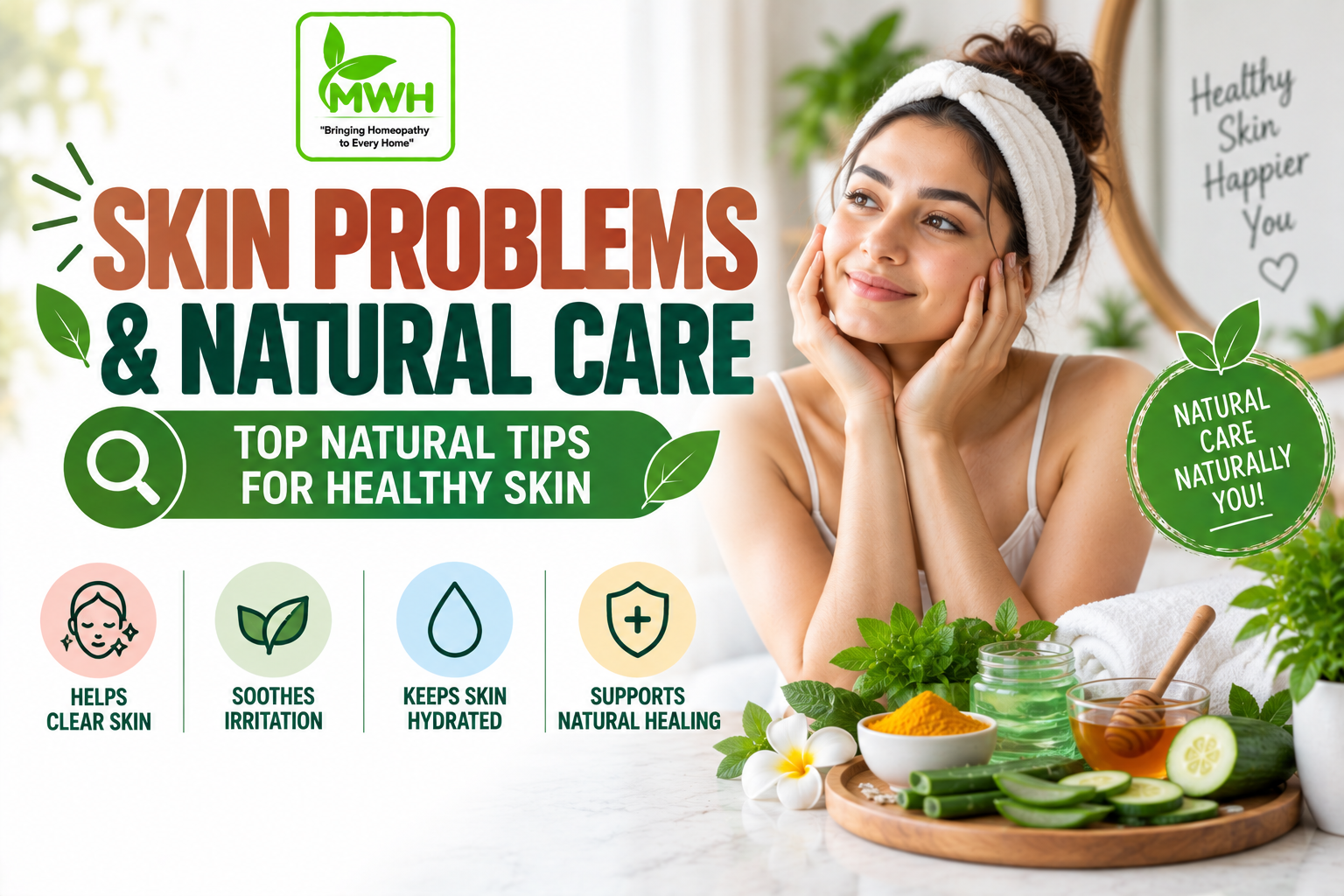
Our skin is an incredibly important organ. It actually reflects the health status of all the other organs and systems in our body. When you ingest foods that are high in inflammatory components, you can initiate an inflammatory response that will really aggravate and cause more acne. It’s simply not beneficial. It’s very clear that diets of low-inflammatory type do not spark inflammation. Our skin is going to look much better, much healthier, and more vibrant. Such diets absolutely impact your inflammation levels by reducing them. They will absolutely impact skin health and appearance.
Skin problems are common and can affect people of all ages. Understanding these conditions helps in proper care and treatment. Here, we will explain some common skin issues: rashes, urticaria, hyperpigmentation, acne, tinea corporis, and allergic reactions.
Rashes are a general term for an outbreak of bumps, redness, scales, or blisters on the skin. They can be itchy, painful, or simply irritating. Rashes can be caused by many things, including infections, allergies, irritation from chemicals, or underlying medical conditions. For example, contact dermatitis is a type of rash that appears when the skin touches something irritating or allergenic, like certain soaps, jewelry, or plants such as poison ivy. The appearance and location of a rash often give clues about its cause.
Urticaria, commonly known as hives, are itchy, raised welts on the skin. These welts can be red or skin-colored and often appear suddenly. Hives can vary in size and can appear anywhere on the body. They are usually caused by an allergic reaction to food, medication, insect bites, or environmental factors like pollen. Stress, infections, and even sunlight can also trigger urticaria in some individuals. While often harmless and temporary, chronic urticaria can be persistent and require medical attention.
Hyperpigmentation refers to areas of skin that become darker than the surrounding skin. This darkening occurs when there is an excess production of melanin, the pigment that gives skin its color. Common causes include sun exposure, inflammation (post-inflammatory hyperpigmentation), hormonal changes (melasma), and certain medications. Sunspots, age spots, and freckles are all forms of hyperpigmentation. While generally harmless, many people seek treatment for cosmetic reasons. Protecting the skin from the sun is a key step in preventing and managing hyperpigmentation.
Acne is a very common skin condition that occurs when hair follicles become clogged with oil and dead skin cells. This leads to whiteheads, blackheads, pimples, and sometimes deeper cysts or nodules. Acne most often appears on the face, neck, chest, back, and shoulders. Hormonal changes, especially during puberty, are a major factor, but genetics, diet, stress, and certain medications can also contribute. Effective management often involves a combination of topical treatments, oral medications, and lifestyle adjustments.
Tinea corporis, also known as ringworm of the body, is a fungal infection of the skin. Despite its name, it is not caused by a worm but by a type of fungus. It typically presents as a red, itchy, circular rash with clearer skin in the center, giving it a ring-like appearance. The edges of the rash may be slightly raised and scaly. Tinea corporis is contagious and can spread through direct skin-to-skin contact or by sharing contaminated items like towels or clothing. Antifungal creams are usually effective in treating this condition.
Allergic reactions on the skin are immune responses to substances that the body perceives as harmful, even if they are not. These reactions can manifest in various ways, including rashes, hives, swelling, and itching. Common allergens include certain foods (like peanuts or shellfish), medications, insect stings, latex, and fragrances. The severity of an allergic reaction can range from mild irritation to a severe, life-threatening condition called anaphylaxis. Identifying and avoiding triggers is crucial for managing skin allergies.
In short, skin problems are diverse, each with unique causes and characteristics. While some are minor and resolve on their own, others may require specific treatments or lifestyle changes. Consulting a healthcare professional for persistent or severe skin issues is always recommended for accurate diagnosis and appropriate care.
Everyone desires clear and glowing skin without resorting to expensive products. The finest solutions for our beauty and health are often found in nature and can be easily prepared at home. Let’s discuss some simple, effective, and natural remedies for a comprehensive skincare routine.
Remember, consistent daily care is the cornerstone of clear and glowing skin. The initial step is cleansing. Cleansing is crucial for clear and glowing skin; it removes dirt, oil, and impurities that can clog pores and lead to breakouts. For this, we can create a cleanser from honey and milk. This mixture is highly effective in reducing pigmentation and blemishes. Simply mix one teaspoon of raw honey with one tablespoon of milk. Apply it to your face with gentle, circular motions, then rinse with warm water. Honey possesses antimicrobial properties, while milk gently exfoliates and moisturizes your skin.
The second step in a daily skincare routine is toning. Toning balances the skin’s pH, tightens pores, and refreshes the skin. A very effective toner can be made from green tea and rose water. Brew green tea in a cup of water and allow it to cool. Mix it with an equal amount of rose water. Store this mixture in a spray bottle and use it after cleansing. Green tea contains antioxidants that combat skin aging, while rose water soothes and hydrates.
Third step is moisturizing the skin. Moisturizing keeps the skin hydrated and prevents dryness. You can create your own organic and chemical-free moisturizer at home. Combine two tablespoons of fresh aloe vera gel with one tablespoon of almond oil. Mix thoroughly. Apply a small amount to your face and gently massage it in. Aloe vera soothes and hydrates, and almond oil locks in moisture. This completes your three-step daily routine to nourish your skin.
Now, Let’s discuss some weekly treatments. First, once a week, focus on exfoliating your skin. Exfoliating removes dead skin cells, revealing fresh, glowing skin. Do not exfoliate more than once a week, as it can overexpose the sensitive layer of your skin. You can make your own exfoliant by mixing two tablespoons of curd with two teaspoons of red sandalwood powder. Apply it to your face and gently scrub in a circular motion for about two to three minutes, then rinse with warm water. Red sandalwood is a sacred ingredient in Ayurveda and has been part of many ancient beauty rituals; it acts as a gentle exfoliant. Yogurt contains lactic acid, which helps to brighten the skin.
Remember, to achieve glowing skin, you must also maintain a healthy lifestyle. Here are five healthy lifestyle tips to help you maintain glowing, blemish-free skin: stay hydrated, eat a balanced diet, learn to manage your stress, get adequate sleep of 7 to 8 hours of quality sleep each night, and finally, exercise for at least 20 to 25 minutes every day. To attain clear, glowing skin, you must nourish your skin both internally and externally. Therefore, integrate these practical tips and remedies into your daily routine to keep your skin glowing always.