

Natural Ways to control Blood Pressure
Today, we’re diving into a condition that 90% of you will develop at some point in your life, that’s hypertension. It’s known as the silent killer, and for a good reason. So, here are 10 proven strategies that will help you to lower your blood pressure naturally, without medications.
The first one that we think about is weight loss. It’s very clear from the most recent hypertension guidelines and from a variety of data that weight loss helps lower blood pressure. The standard rule of thumb that we can use is for every kilogram that an individual loses, their blood pressure is decreased by one millimeter of mercury.
To understand hypertension, you have to understand how blood circulates in our body. For blood to flow forward, it needs to push against the wall of your blood vessels at all times, just like water in a pipe. But as you can imagine, that pressure is constantly changing. When your heart contracts, your blood pressure rises to that top number, the systolic blood pressure. And when your heart relaxes between beats, the blood pressure decreases to the lower number, called the diastolic blood pressure. But no matter the cause, high blood pressure over time is extremely damaging to your blood vessels. In fact, up to 50% of heart attacks and strokes are caused by hypertension.
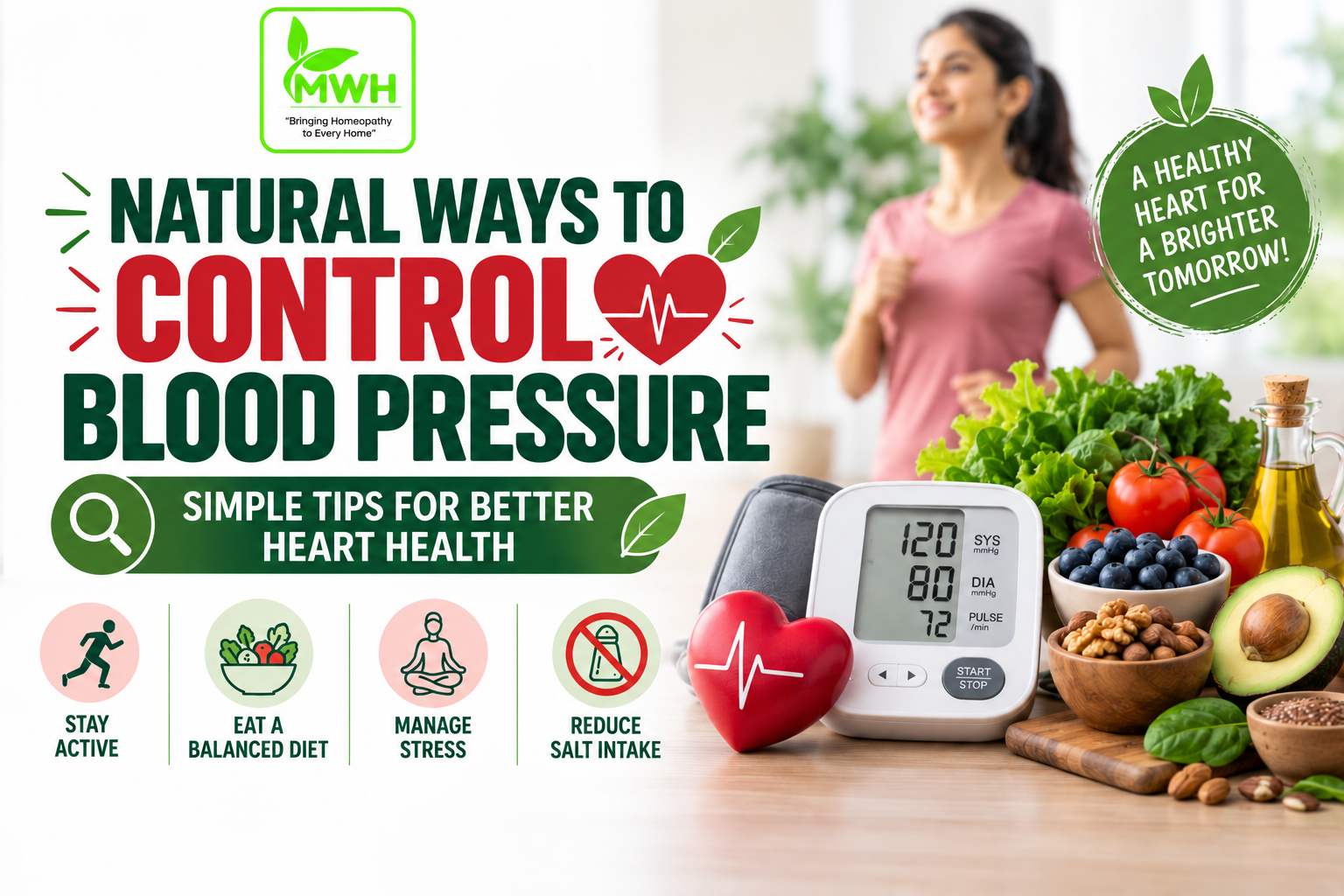
So now, let’s dive into the top 10 ways that you can naturally lower your blood pressure. As you can imagine, diet plays a big role in your blood pressure, and there’s one particular diet that’s proven to lower your blood pressure by an impressive five to six points: the DASH (Dietary Approaches to Stop Hypertension) diet, which is basically what most people think of as a healthy diet. Eat more whole foods and lean proteins, and eat less salt and processed foods.
One of the important recommendations on the DASH diet is to lower your sodium intake. And the specifics are that it’s essentially a well-balanced diet of moderation, plenty of fruits and vegetables. It tends to lean more towards a Mediterranean dietary pattern, but it’s also low-sodium. If your blood pressure is high and you want to fix it naturally, you need to lower your sodium intake to a maximum of 2 grams per day. One common mistake that most people make when they’re trying to focus on decreasing their salt intake is focusing on the salt shaker. Believe it or not, added salt only accounts for a small amount of people’s salt intake. In reality, 80% of your salt intake comes from processed foods and eating out.
But it wasn’t just sodium reduction but also promoting foods high in potassium. So too much sodium intake increases blood pressure, too little potassium intake or too low of potassium values also increase blood pressure. This is really important because you can almost think of potassium like an antidote to sodium. Where sodium stiffens blood vessels, potassium relaxes them. Not only that, potassium helps your kidneys get rid of excess sodium by peeing it out. And studies have shown that by increasing the amount of potassium-rich foods you eat, like bananas, oranges, sweet potatoes, spinach, and beans, you can lower your blood pressure by as much as five to seven points. But be careful: loading up on potassium isn’t for everyone. If you have kidney problems or if you take medications that cause you to retain potassium, this is not the strategy for you. So talk to your doctor before you make any drastic changes.
Okay, now move on to the next step, that is regular exercise. The guideline recommendations suggest at least 150 minutes of moderate intensity physical activity a week. Up until recently, it seemed like cardio was the best way to lower your blood pressure, but emerging research is showing that other types of training may be even more effective. Exercises were most effective at lowering blood pressure naturally, and the clear winner was isometric exercises, things like wall squats or planks, which lowered the systolic blood pressure up to eight points. Always keep in mind that the studies also proved that any type of exercise will help to lower your blood pressure.
Sleep is another important factor in maintaining blood pressure. Less than six hours per night has been shown to increase the risk of high blood pressure. But some people can sleep the entire night and still feel exhausted the next day. This can be a sign of obstructive sleep apnea, a condition where your breathing starts and stops throughout the night, and it’s actually one of the major causes of resistant hypertension. So if you’re really tired during the day, even after getting a good night’s sleep, you’re feeling some sort of choking or gasping or really loudly snoring at night, those would be reasons to consult your doctor.
Now, what about stress? The answer is actually less straightforward than you might think. Intuitively, we all know that stress has a serious impact on our body, and it’s true that acute stress can cause a brief elevation of your blood pressure. When it comes to chronic stress, the research isn’t as clear, and it seems like the biggest issue is probably how we cope with that stress, whether it’s eating more unhealthy food or drinking more, smoking more—all of that impacts our blood pressure.
Finally, one of the things that we often think about in terms of elevating blood pressure is alcohol intake. So the most recent blood pressure guidelines recommend no more than one drink per day for women and no more than two alcoholic drinks per day for men to maintain normal blood pressures. But it’s better that we should not drink at all.
Sustainability is key, and adding in small changes over time can have a huge impact in the long run. So let’s challenge ourselves to pick one thing on this list that you’re going to implement. High blood pressure affects over a billion people worldwide, and together we can raise awareness and empower others to take control of their health. So those are just a few ways that we can naturally lower our blood pressure and try to avoid taking medicines as much as possible.