


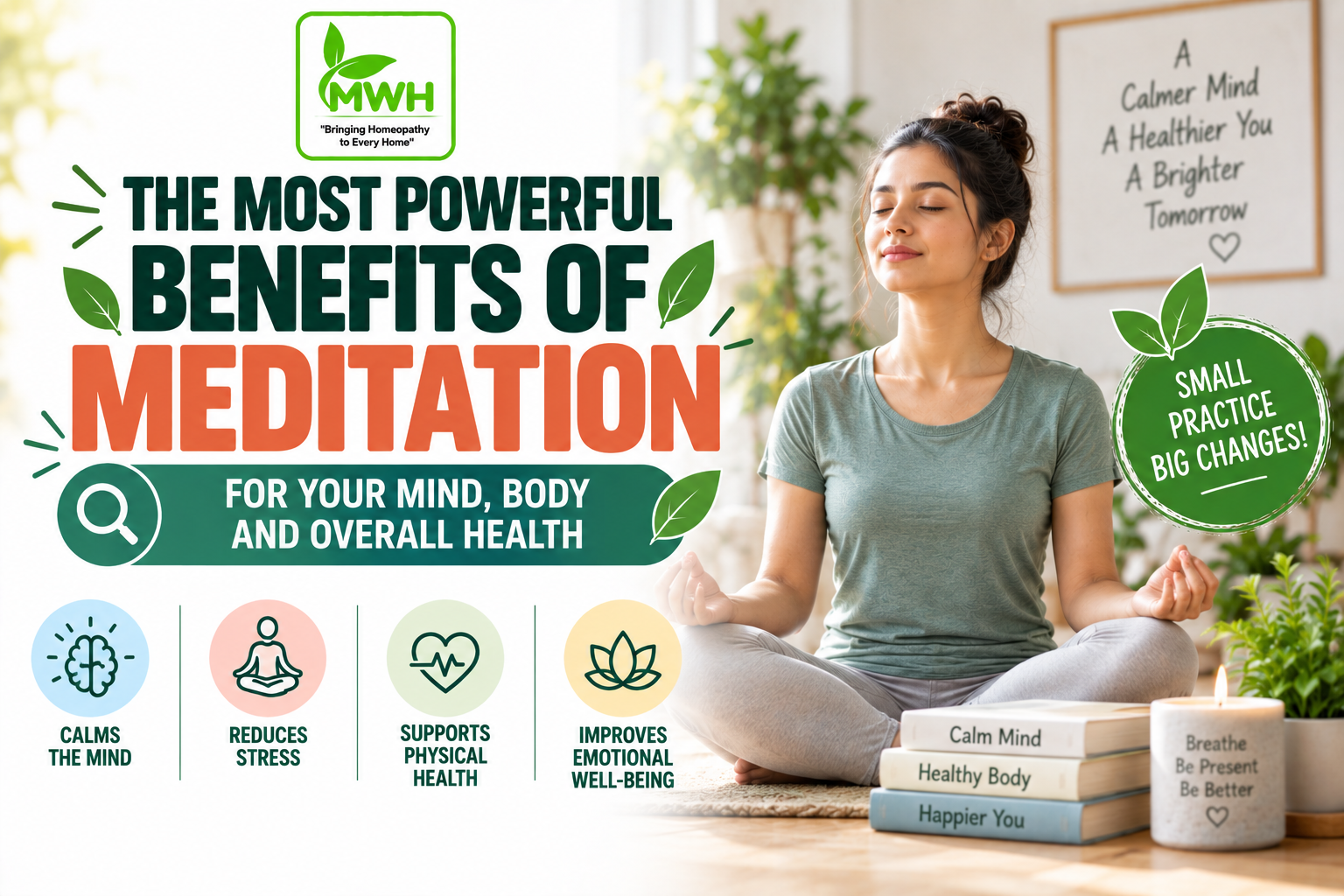
The benefits of meditation for your brain health and overall well-being are profound. Meditation is an awareness practice, a method of directing our awareness inward, away from the external world perceived through our senses. When we turn our attention inward, the mind begins to calm, and brain activity, as measured by devices like EEGs, changes dramatically. Brainwave states shift to alpha waves, indicating a more calm, focused, and zen state. In deep meditation, brain activity can even reach theta waves, where meditators experience deep bliss, joy, and peace beyond mental thinking.
One remarkable aspect of meditation is its ability to restructure the physical brain. As we age, our brain loses volume, cells die, and key areas associated with memory, language, and coordination shrink. This explains why a 95-year-old may not be as sharp, have a less acute memory, or move as well as they did at 25. This is a natural deterioration of the brain’s physical structures. However, research studies have shown that meditation can halt this deterioration. For instance, 50-year-old meditators have demonstrated brain health and structure comparable to individuals in their 20s.
This phenomenon occurs because it is centering our attention during meditation—sitting peacefully, observing our breath, and watching our thoughts—changes brain patterns and activates the regrowth of neurons in crucial areas, particularly those associated with memory. Consequently, meditation can improve memory and reaction time, enhance happiness, and balance neurotransmitters. Studies reveal that regular meditators have higher levels of serotonin, the “feel-good” neurotransmitter, and GABA, an inhibitory neurotransmitter that promotes calmness. Meditation essentially provides access to your body’s internal pharmacy, allowing you to release these beneficial chemicals naturally, without external substances, by entering deep meditative states.
Another significant benefit is the reduction of stress and lower stress hormones like cortisol. Meditation also deactivates genes associated with inflammation, effectively changing your genetic expression. This is incredibly impactful: a practice that trains the mind to be more centered, to observe the breath, and to reduce mental chatter, can alter gene expression. This means the immune system releases fewer pro-inflammatory cytokines, leading to improved overall health.
Meditation can also contribute to a longer life by increasing the activity of genes linked to longevity. It boosts the enzyme telomerase, which helps maintain telomeres—the protective caps on the ends of DNA strands vital for long, healthy lives. Furthermore, highly stressed individuals are more prone to blood sugar dysregulation and hypertension. Meditation can help alleviate these issues, promoting relaxation.
In short, meditation can restructure our brain, alter neurotransmitter levels, decrease stress, and change gene expression for reduced inflammation and enhanced longevity. All these benefits stem from the simple practice of meditation.
It’s important to understand that meditation, at its core, is not religious. It transcends religious beliefs and is simply the process of turning your awareness inward, detaching it from the world’s busyness, and resting it in your being, anchored by your breath.
For optimal results, it is recommended to meditate twice a day: in the morning and in the evening. Morning meditation sets a peaceful and happy tone for the day, while evening meditation primes the mind for a calm, meditative state before sleep. This prevents an overactive or anxious mind from leading to restless nights or nightmares, which can negatively impact the following day.
So, let’s know how one can meditate? There are various methods, but the most basic involves sitting in an upright posture with a straight spine, either on a straight-backed chair or in a classic meditation pose. The body should feel supported yet relaxed, free of tension. With hands folded or resting in your lap, close your eyes and observe whatever arises. Observe your breath, which flows automatically. Observe any thoughts that appear without judgment, simply watching them with interest as they surface in your mind—memories, thought patterns, and so on.
As you observe, two remarkable things happen. First, your mind becomes less active; the constant stream of thoughts diminishes, leading to greater peace. As the mind becomes more peaceful, meditation becomes more joyful. When the mind is calm and you are immersed in the awareness of your body and breath, you can access profound meditative states filled with bliss, peace, and love. It can be an incredibly transformative experience, almost like a natural medicine.
This suggests that peace, joy, and well-being are our fundamental nature, accessible when mental chatter subsides and the brain enters deeper brainwave states, moving beyond the normal, active, anxious beta wave state. These deeper states unlock numerous benefits, fostering a sense of peace. The beauty of meditation is that even a short session in the morning can translate into greater peace, presence, and effectiveness throughout the day.
If you’ve struggled with meditation, understanding its profound benefits is crucial by improving your health, making smarter, and enhancing your mental clarity and focus.
The benefits are profound, and like physical exercise, meditation requires consistent effort to yield results. One should always be encouraged to engage in some form of meditative practice, whether it’s sitting meditation, guided meditations found online, or apps like Insight Timer, Headspace, or Calm. Choose whatever resonates with you. Even walking meditation, where you focus on the sensation of your feet on the ground, your breath, and the air on your skin, is a valid form of moving meditation.
Meditation not only unlocks amazing benefits for the brain and body but also brings more joy into life, which is a significant component of health. Ancient meditation traditions have recognized them for thousands of years. By practicing these meditations in our daily life with consistency and discipline, we will become healthy and active.