


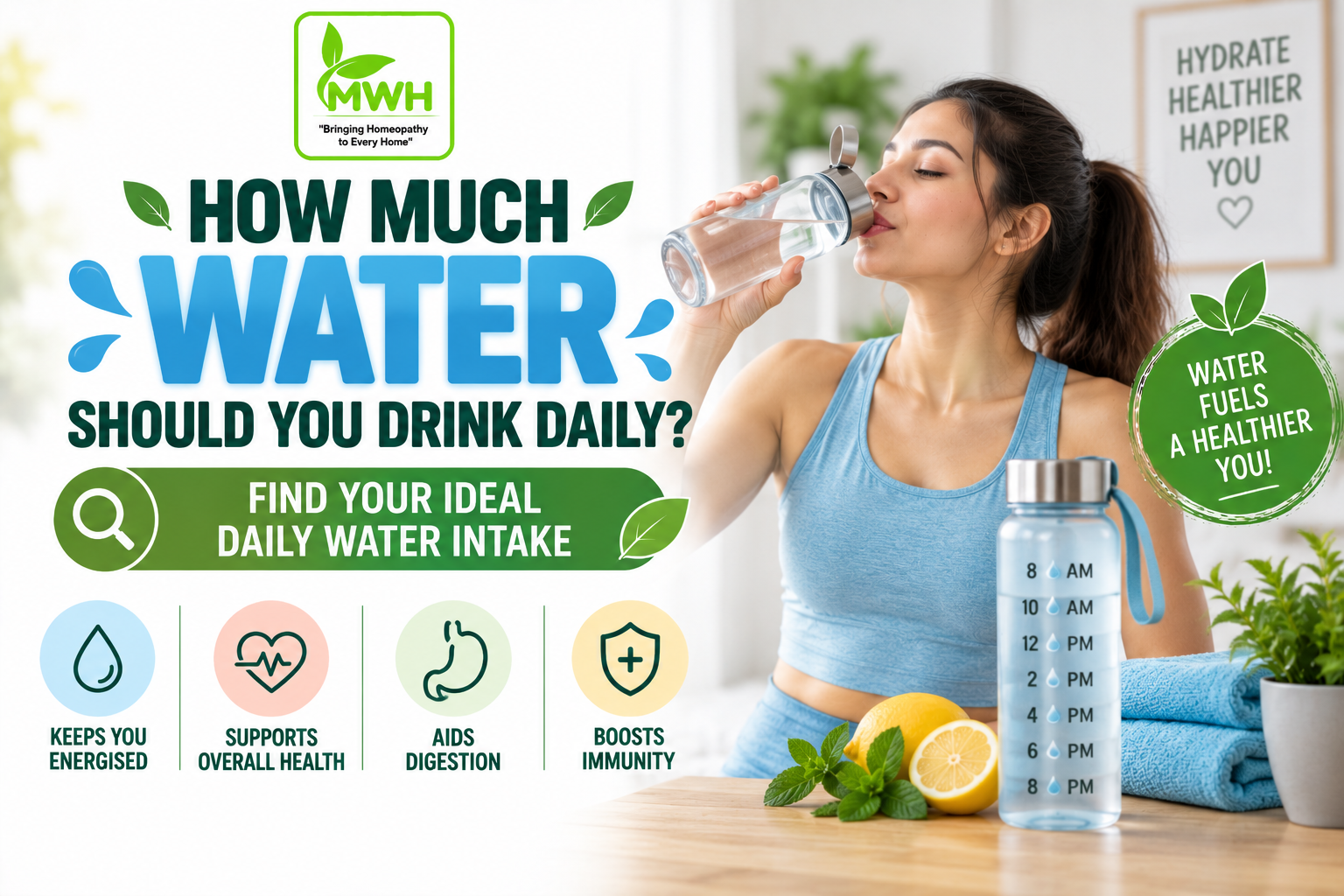
Today, let’s discuss the optimal daily water intake. You’ve likely encountered various recommendations regarding how much water to drink. The World Health Organization suggests that adults consume 2 to 2.5 liters of water daily. It’s important to remember that this includes not only plain water but also fluids obtained from food sources.
The concept of a minimum water requirement appears to have originated in 1945 when the Food and Nutrition Board of the National Academy of Sciences published its dietary guidelines. Later, nutritionist Frederick John Stare co-authored a book recommending at least six glasses of water per day. Water is exceptionally vital for the human body. Individuals who are ill actually require more water than healthy individuals.
Water is, undeniably, a crucial component of our bodies, forming the majority of our composition. Our blood, organs—all depend on water to function correctly. Therefore, adequate water intake is absolutely essential.
Several factors influence water requirements. Firstly, it’s crucial to understand that individual needs vary. A general guideline recommends 7 to 8 glasses of water daily, which is approximately 2 liters. Before determining daily water intake, we must consider individual needs and activity levels, which are influenced by factors such as age, weight, gender, and existing health conditions. For instance, pregnant or breastfeeding women may have different needs than athletes, and those with specific health conditions might require more fluids to support their physical demands.
Many people believe that drinking more water solves everything. What remarkable benefits can one expect from drinking more? Will you experience increased energy, reduced hunger, clearer skin, or improved bowel movements? However, how much do you truly need to drink? Is eight glasses of water a day genuinely the goal for everyone? These questions are widely wandering in our minds all the time. Frequently, we observe patients who are either over-hydrated or under-hydrated, depending on their body type and activity levels. For patients, the most critical step is to ascertain if they are dehydrated and understand the underlying reasons.
The dangers of dehydration are extensive and vary from person to person. Symptoms can include confusion, decreased appetite, or a reduced metabolism. It’s imperative to understand that maintaining hydration is crucial for both mental and physical well-being; it’s a truly significant factor in your overall health. Drinking eight glasses of water a day is a common wellness adage today. It’s also becoming increasingly popular to monitor hydration using mobile apps that provide reminders and water bottles that track progress. It’s commendable when individuals proactively take steps to ensure they are well-hydrated. However, when this crosses into an obsessive concern that causes anxiety, it can be more detrimental than beneficial. Therefore, it’s always advisable to be mindful of your hydration status without becoming anxious.
The best approach is to listen to your body. Our bodies are sophisticated machines that signal the need for water, typically through the sensation of thirst. Paying attention to your body’s signals is vital for maintaining proper hydration levels. Sometimes, to quench your thirst, you might reach for high-water-content fruits like watermelon. Such fresh fruits not only provide hydration but also essential vitamins and minerals. A clear indicator of your body’s water requirement can be found in the color of your urine. If your urine is dark or deep yellow, you need to drink significantly more water. Conversely, if your urine is clear and you feel the need to urinate frequently, you should reduce your water intake.
Thus, the exact amount of water you need to drink daily depends on several factors, including your age, sex, diet, activity level, and lifestyle. The most crucial factor to consider when assessing your hydration status is your activity level. If you are exercising in a very hot environment, you will require considerably more water to compensate for the fluid losses experienced in such conditions. How can you determine if you are sufficiently hydrated? Well, if you are thirsty, your body is signaling that you need more water. Another excellent clue is the color of your urine. Your kidneys are the organs responsible for controlling urine color. One of the waste products your body produces is urea, which your kidneys release throughout the day. When you are well-hydrated, your urine appears clear or perhaps pale yellow. However, when you are dehydrated and your kidneys are actively trying to retain as much fluid as possible, your urine will appear quite dark. If your urine has suddenly changed color, and despite increased hydration, it doesn’t return to normal, it would be prudent to consult your doctor.
Other factors: In addition to these signals, you should also consider other factors that can help you determine if you are drinking enough water. Let’s examine three such factors here:
- Physical activity: Any physical activity increases your body’s water requirement. Exercise causes sweating and leads to fluid loss, so you must drink water to prevent dehydration.
- Climate: Hot weather also increases the need for water. Conversely, those in cooler climates may not require as much water, but they should still be diligent in drinking sufficient water to remain well-hydrated.
- Health condition: Certain medical conditions, such as kidney disease or diabetes, can influence how the body manages water. Such patients should adhere to medical advice and adjust their water intake accordingly.
There are certain mistakes one should avoid when drinking water-
The first mistake is drinking water too quickly. Gulping large amounts of water can overwhelm the stomach and lead to bloating. Instead, sip water slowly and consistently throughout the day.
The next mistake is consuming excessive amounts of water at once. It is better to drink small amounts of water every hour rather than a large quantity all at once.
Another mistake is drinking water while eating food. Excessive water consumption during meals can dilute stomach acid, which is essential for digestion. This can lead to bloating and indigestion in some individuals. It is advisable to drink water 30 minutes before and after meals.
So today, we’ve learned about determining your daily water intake based on your personal needs. But what happens when someone drinks too much water? Excessive water intake, such as consuming 4 liters or more a day, can be risky. This can lead to hyponatremia, a condition where your body’s electrolyte balance, particularly sodium levels, becomes disrupted. Symptoms include nausea, headache, and seizures. It’s essential to maintain a correct balance between adequate hydration and avoiding excessive water. Through careful observation of your body’s signals and your hydration needs, you should be able to maintain this balance.