


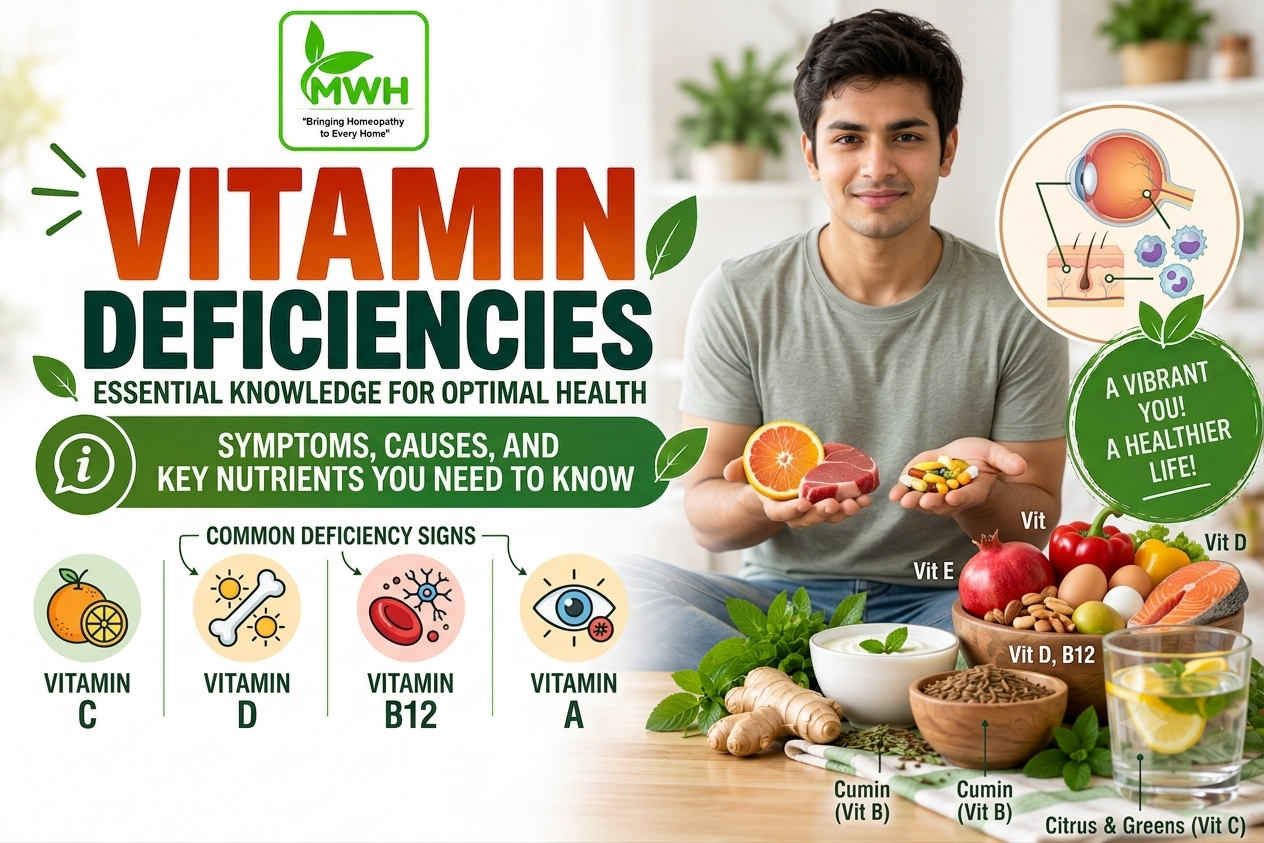
Our human bodies are biological machines, designed in such a way that it will constantly work to keep us healthy and functioning. A crucial part of this complex system relies on a steady supply of vitamins. These organic compounds, needed in small quantities, are vital for countless bodily processes and metabolisms, from energy production to immune defense. When our diet lacks these essential nutrients, we can develop vitamin deficiencies, which can manifest in a wide range of symptoms and health problems. Understanding these common deficiencies and their effects is key to maintaining optimal health.
1. Vitamin D Deficiency
Often called the “sunshine vitamin”. Vitamin D is unique because our skin can produce it when exposed to sunlight. It plays a critical role in bone health by helping the body absorb calcium and phosphorus. It also supports immune function and nerve health.
Deficiency Manifestations: A lack of Vitamin D can lead to weakened bones, increasing the risk of fractures and conditions like osteoporosis in adults. In children, severe deficiency can cause rickets, a softening and weakening of bones. Other symptoms may include muscle weakness, fatigue, and a compromised immune system, making individuals more susceptible to infections. Mood changes and depression have also been linked to low Vitamin D levels.
2. Vitamin B12 Deficiency
Vitamin B12, or methylcobalamin, is essential for nerve function, red blood cell formation, and DNA synthesis. It is primarily found in animal products, making vegetarians and vegans particularly vulnerable to deficiency.
Deficiency Manifestations: A shortage of B12 can lead to megaloblastic anemia, a condition where red blood cells are abnormally large and unable to carry oxygen effectively, causing fatigue, weakness, and shortness of breath. Neurological symptoms are also common and can be severe, including numbness or tingling in the hands and feet, difficulty walking, memory problems, and even changes in mood and personality. These neurological issues can sometimes be irreversible if left untreated.
3. Vitamin A Deficiency
Vitamin A is a fat-soluble vitamin vital for good vision, immune function, and skin health. It’s also important for growth and development.
Deficiency Manifestations: One of the earliest and most well-known signs of Vitamin A deficiency is night blindness, making it difficult to see in low light. If severe and prolonged, it can lead to xerophthalmia, a condition that can damage the cornea and eventually cause permanent blindness. A weakened immune system, dry skin, and impaired growth in children are also common consequences.
4. Vitamin C Deficiency
Vitamin C, or ascorbic acid, is a powerful antioxidant essential for immune health, collagen production (which is vital for skin, bones, and blood vessels), and wound healing.
Deficiency Manifestations: Severe Vitamin C deficiency leads to scurvy, a historical disease among sailors. Symptoms include fatigue, gum inflammation and bleeding, easy bruising, poor wound healing, joint pain, and small red or purple spots on the skin due to fragile blood vessels. In modern times, milder deficiencies are more common, manifesting as general fatigue, easy bruising, and frequent infections.
5. Folate (Vitamin B9) Deficiency
Folate, also known as Vitamin B9, is crucial for cell growth and DNA formation. It is especially important during periods of rapid growth, such as pregnancy and infancy.
Deficiency Manifestations: A lack of folate can cause megaloblastic anemia, similar to B12 deficiency, with symptoms like fatigue, weakness, and shortness of breath. In pregnant women, folate deficiency significantly increases the risk of neural tube defects in the developing baby, such as spina bifida. Other symptoms can include irritability, headaches, and heart palpitations.
6. Vitamin E Deficiency
Vitamin E is a fat-soluble antioxidant that protects cells from damage. It is important for immune function and skin health.
Deficiency Manifestations: While rare in healthy individuals, Vitamin E deficiency can occur in people with conditions that impair fat absorption. Symptoms include nerve damage, leading to muscle weakness, vision problems, and loss of coordination. A weakened immune response is also a potential consequence of its deficiency.
7. Vitamin K Deficiency
Vitamin K is a fat-soluble vitamin critical for blood clotting and bone health. There are two main forms: K1 (phylloquinone) found in leafy greens, and K2 (menaquinone) found in fermented foods and animal products, also produced by gut bacteria.
Deficiency Manifestations: The primary symptom of Vitamin K deficiency is impaired blood clotting, leading to excessive bleeding and easy bruising. In newborns, Vitamin K deficiency bleeding can be a serious and life-threatening condition. In adults, it can increase the risk of bleeding, and long-term deficiency may contribute to weakened bones.
Along with vitamins, there are some other mineral deficiencies which also equally impact our health and are interlinked with the vitamins absorption in our body.
8. Calcium Deficiency
Calcium is a mineral, but its absorption and utilization are closely linked to Vitamin D. It is the most abundant mineral in the body and is fundamental for strong bones and teeth, muscle function, nerve transmission, and hormone secretion.
Deficiency Manifestations: Chronic low calcium intake can lead to osteopenia and eventually osteoporosis, making bones brittle and prone to fractures. Acute symptoms of severe deficiency (hypocalcemia) can include muscle cramps, spasms, numbness and tingling in the fingers, and in extreme cases, seizures and abnormal heart rhythms.
9. Magnesium Deficiency
Magnesium is another essential mineral involved in over 300 biochemical reactions in the body, including muscle and nerve function, blood glucose control, and blood pressure regulation.
Deficiency Manifestations: Early signs of magnesium deficiency can be subtle, including fatigue, weakness, muscle cramps, and tremors. As the deficiency worsens, it can lead to more severe symptoms like abnormal heart rhythms, seizures, and personality changes. It can also exacerbate other deficiencies, as magnesium is needed for the activation of Vitamin D.
10. Iron Deficiency (leading to Anemia)
While iron is a mineral, its deficiency is often discussed alongside vitamins due to its profound impact on health, particularly its role in red blood cell function. Iron is crucial for producing hemoglobin, the protein in red blood cells that carries oxygen from the lungs to the rest of the body.
Deficiency Manifestations: Iron deficiency is the most common nutritional deficiency worldwide, leading to iron-deficiency anemia. Symptoms include extreme fatigue, weakness, pale skin, shortness of breath, dizziness, cold hands and feet, brittle nails, and unusual cravings for non-food items like ice or dirt (a condition called pica). Children may experience developmental delays.
Natural ways for preventing Deficiencies-
The best way to prevent vitamin and mineral deficiencies is to consume a balanced and varied diet rich in fruits, vegetables, whole grains, lean proteins, and healthy fats. For some individuals, such as pregnant women, the elderly, or those with certain medical conditions, supplementation may be necessary under the guidance of a healthcare professional. Regular check-ups and discussions with your doctor about your diet and any unusual symptoms can help identify and address potential deficiencies before they lead to serious health problems. Understanding the vital roles these nutrients play empowers us to make informed choices for our health and well-being.